K-State Football Coaching: A Century of Wildcat Evolution
The storied history of Kansas State University football is a testament to resilience, transformation, and the indelible impact of visionary leadership. From its humble beginnings in the late 19th century to its current status as a formidable competitor in the Big 12 Conference, the Wildcats' journey has been shaped by 35 distinct individuals who have held the pivotal role of Kansas State Coach. This article delves into the program's evolution, highlighting key eras, legendary figures, and the coaching philosophies that have forged the Wildcat identity.
The Formative Years: From Aggies to Wildcats (1896 - Pre-Snyder)
The foundation of Kansas State football was laid in 1896 at the Kansas State Agricultural College. Ira Pratt served as the inaugural head coach for a single season, overseeing the team's first official game – a 0-14 loss to Fort Riley on November 28, 1896, followed by a 6-6 tie against the same opponent. This 0-1-1 inaugural record marked the nascent stages of organized football at the institution, a common scenario where early collegiate teams often competed against military outfits due to limited intercollegiate options.
The program's early identity mirrored its agricultural roots, with the team initially known as the "Aggies." This moniker evolved to "Farmers" in 1917 under coach Z.G. Clevenger, a nod to the region's strong rural heritage. However, a significant shift occurred in 1920 when Charles Bachman took the helm, and the team officially adopted the "Wildcats" nickname – a powerful symbol that has endured to this day. This era also saw the rise of key rivalries, most notably the fierce in-state series against the Kansas Jayhawks, which continues to electrify fans.
While early decades were characterized by inconsistent results and numerous short coaching tenures, there were glimmers of success. Coaches like Bo McMillin (1928-1933) and Charlie Bachman (1920-1927) posted respectable records (29-21-1 and 33-23-9, respectively), proving that competitive football was achievable in Manhattan. These early Kansas State coaches laid important groundwork, even if the program hadn't yet reached its full potential. Their efforts helped build the institutional memory and fan base that would eventually support greater achievements.
The Snyder Era: A Blueprint for Gridiron Greatness
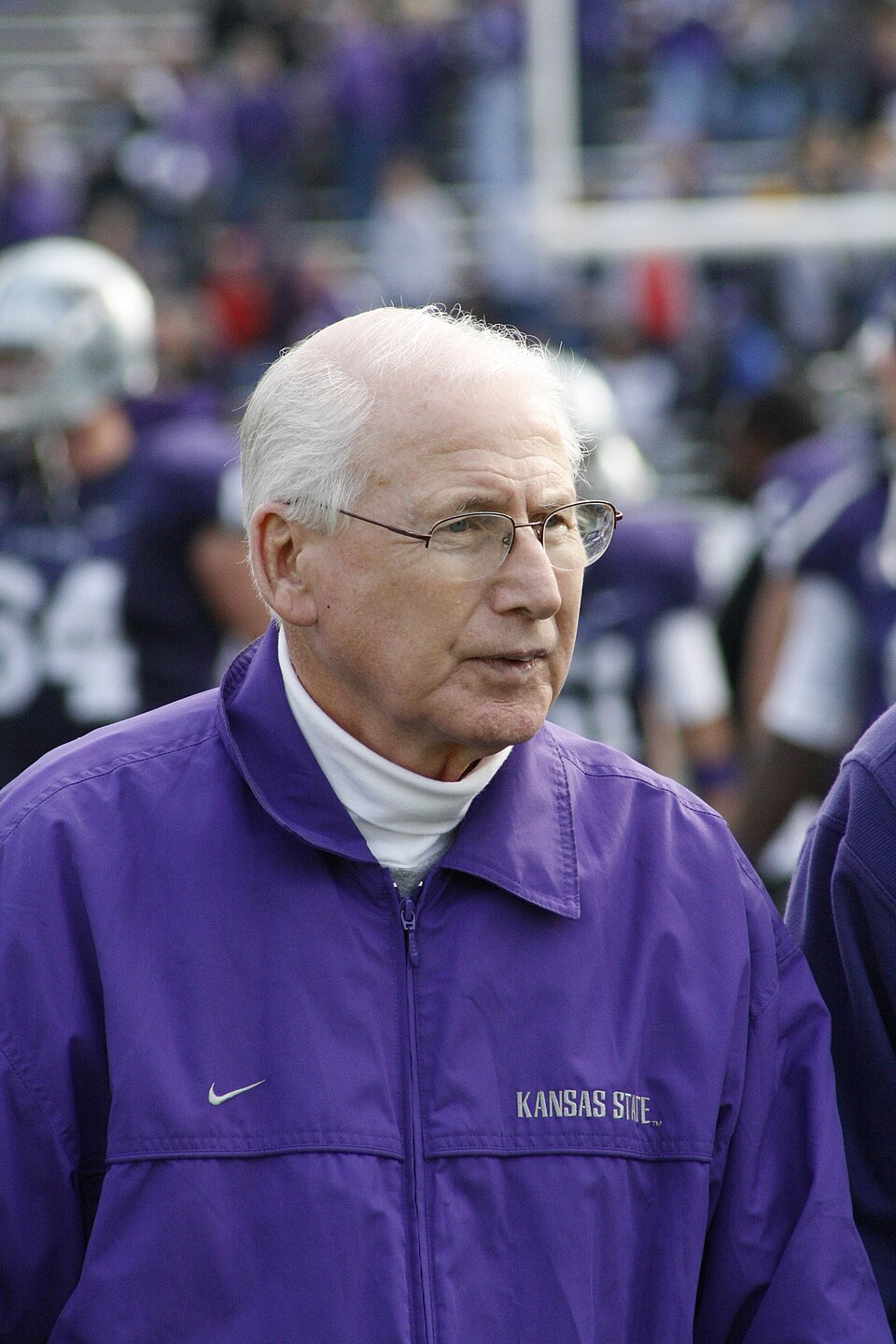
Few individuals have had as profound an impact on a collegiate sports program as Bill Snyder had on Kansas State football. Appointed as the 32nd head coach in 1989, Snyder inherited a program that, by many accounts, was among the worst in NCAA Division I. What followed was one of the most remarkable turnarounds in college football history. Snyder's meticulous approach, unwavering discipline, and emphasis on character transformed the Wildcats into a national powerhouse.
Under Snyder's initial tenure from 1989 to 2005, K-State became a model of consistency and success. The Wildcats made 11 consecutive bowl appearances from 1995 to 2005, a feat unimaginable just years prior. His teams captured two Big 12 championships in 1998 and 2003, showcasing their ability to compete at the highest level of a notoriously tough conference. With a career record of 215-117-1, Snyder cemented his legacy as the winningest coach in program history. His impact extended beyond wins and losses; he instilled a culture of hard work, humility, and dedication that became known as "The Wildcat Way."
After a brief retirement, Snyder returned for a second stint from 2009 to 2018, further solidifying his legendary status. This return underscored his deep commitment to the university and its football program, demonstrating that the right Kansas State coach could truly embody the spirit of the institution. His ability to rebuild and maintain competitiveness across two separate tenures is a testament to his coaching acumen and leadership.
Insight: The "Wildcat Way" Philosophy Bill Snyder's success wasn't just about X's and O's; it was about building a complete program. His 16 goals for success became legendary and are a valuable lesson for any leader:
- Commitment
- Unselfishness
- Unity
- Improvement
- Enthusiasm
- Confidence
- Responsibility
- Accountability
- Toughness
- Vision
- Belief
- Persistence
- Courage
- Composure
- Effort
- Pride
These principles fostered a winning culture that extended far beyond the football field, demonstrating how a strong leader can impact an entire community.
Beyond Snyder: Navigating Transitions and Sustaining Success
Following a legend is always a daunting task, and the period immediately after Snyder's first retirement saw a brief transition with Ron Prince (the 33rd coach) from 2006 to 2008. While Prince's 17-20 record wasn't disastrous, the program sought to regain its peak, leading to Snyder's return. This challenge highlights a critical aspect of college athletics: finding the right successor to a long-tenured, highly successful Kansas State coach is paramount.
Upon Snyder's definitive retirement, the program embarked on a new chapter. In December 2018, Chris Klieman was named the 35th and current head coach. Klieman arrived with a championship pedigree, having led North Dakota State to multiple FCS national titles. His appointment signaled a deliberate move to maintain a high level of competitive success while bringing fresh perspectives and strategies to the program. Since his arrival, Klieman has effectively navigated the challenging landscape of the Big 12.
Under Klieman's leadership, the Wildcats have continued their tradition of making bowl appearances, reaching five in his seven seasons to date. A notable highlight includes their 2022 Big 12 title game appearance, further solidifying K-State's position as a consistent contender. As of November 17, 2025, Klieman boasts a commendable 52-33 record, demonstrating his capability to sustain and build upon the program's hard-earned legacy. For more detailed insights into the current trajectory, you can explore Chris Klieman's K-State Football: Big 12 Ambitions.
The program's overall evolution from a historically underachieving team to one with 26 total bowl appearances and seven conference titles speaks volumes about the collective efforts of its coaching staff, players, and supportive fan base over the decades.
What Makes a Successful Kansas State Coach?
Looking back at the century of K-State football, certain characteristics emerge as crucial for any Kansas State coach hoping to thrive in Manhattan:
- Resilience and Vision: The program has seen significant highs and lows. A successful coach must possess the resilience to navigate tough seasons and the vision to build for long-term success, even when immediate results are elusive.
- Player Development Focus: K-State has never consistently been a program that lands top-tier recruiting classes exclusively. Therefore, a strong emphasis on developing talent, both physically and mentally, is vital. Snyder excelled at this, turning overlooked recruits into Big 12 stars.
- Understanding the Culture: Manhattan is a tight-knit community with a passionate, loyal fan base. A coach who embraces the "Family" atmosphere and understands the values of hard work and humility will resonate strongly with the K-State faithful.
- Adaptability: College football is constantly evolving. Rule changes, recruiting landscape shifts, and conference realignments demand a coach who can adapt their strategies and program structure to remain competitive.
- Strong Leadership Off the Field: A coach's role extends beyond game day. They are ambassadors for the university, mentors to young athletes, and leaders in the community. Ethical conduct and strong academic performance are paramount.
For aspiring coaches, understanding the historical context and the unique demands of a program like K-State is crucial. It's not just about winning games, but about building character and fostering a lasting connection with the university and its supporters.
Conclusion
The journey of K-State football, from its nascent beginnings in 1896 with Ira Pratt to the modern era under Chris Klieman, is a vivid narrative of evolution, perseverance, and remarkable achievement. The 35 individuals who have served as Kansas State Coach have each contributed to a rich tapestry of gridiron history, marked by periods of struggle and, ultimately, resurgence. While Bill Snyder undeniably engineered the program's most dramatic transformation, the collective efforts of every coach, player, and fan have forged the Wildcats into a consistent contender in the challenging landscape of NCAA Division I football. The ongoing success under Coach Klieman demonstrates a renewed commitment to sustained excellence, building on the strong foundation laid by those who came before. As K-State football continues to write its story, the legacy of its coaches remains central to its identity. This dedication to leadership extends across all K-State athletics; for instance, the university recently named Interim Coach Matthew Driscoll Leads K-State Basketball, showcasing the dynamic changes and leadership transitions that are a constant part of collegiate sports.